


 Home
Home
Article name occupying space
October 27, 2025 | Company Events
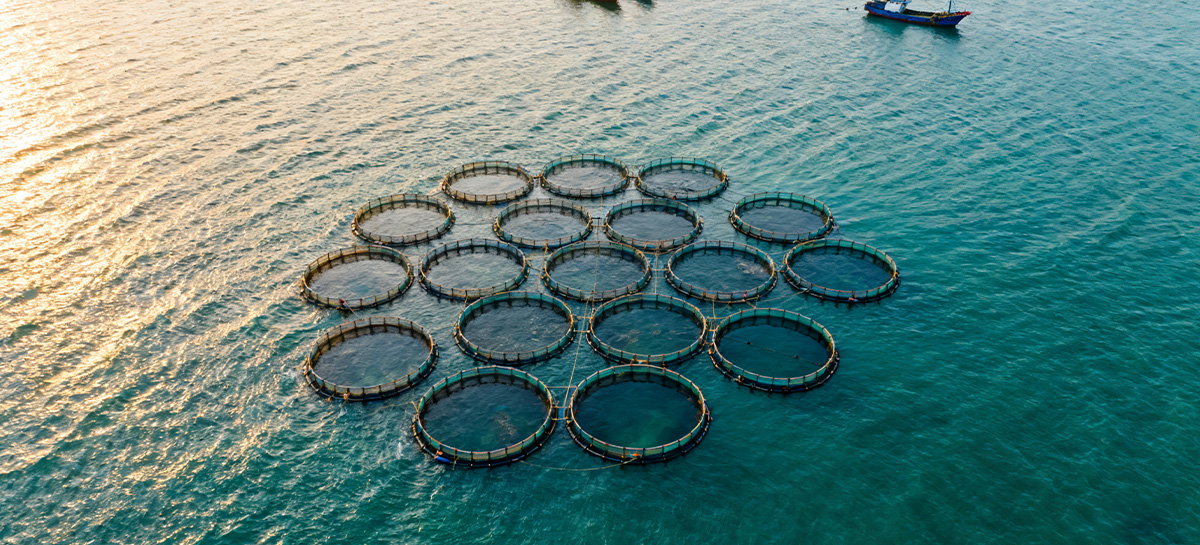
The global aquaculture sector is undergoing a significant shift, moving beyond traditional practices to embrace technology and sustainable methods, positioning itself as a critical solution to feeding a growing population, according to a recent report by the Food and Agriculture Organization (FAO).
With wild fish stocks under increasing pressure, aquaculture has become the fastest-growing food production sector worldwide. It now supplies over half of all fish for human consumption, a figure expected to rise dramatically by 2050.
"This isn't just about producing more fish; it's about a 'Blue Transformation'," said Dr. Elena Rodriguez, a lead author of the report. "The focus is on farming smarter—using less resources, reducing environmental impact, and enhancing nutritional value."
Key Trends Shaping the Industry:
Technology Integration: The industry is rapidly adopting innovations such as Recirculating Aquaculture Systems (RAS), which allow for land-based farming with minimal water exchange. These closed-containment systems reduce pollution risks and protect farmed species from ocean-borne diseases. Furthermore, AI-powered monitoring tools are being used to optimize feeding, improving fish health and minimizing waste.
Species Diversification: While salmon and shrimp remain dominant, farmers are increasingly cultivating new species like tuna, yellowtail, and various marine finfish. This not only meets diverse market demands but also reduces pressure on overfished wild populations.
Sustainability as a Priority: There is a strong push towards developing alternative, sustainable feeds to replace traditional fishmeal and fish oil. Ingredients derived from algae, insects, and single-cell proteins are showing great promise. Certifications from bodies like the Aquaculture Stewardship Council (ASC) are also becoming crucial for market access and consumer trust.
Focus on Shellfish and Seaweed: The cultivation of bivalves like mussels and oysters, which require no feed and actually improve water quality by filtering it, is gaining recognition as a highly sustainable form of aquaculture. Similarly, seaweed farming is expanding due to its environmental benefits and wide range of applications in food, cosmetics, and biofuels.
Challenges and the Road Ahead
Despite its promise, the industry faces challenges, including climate change impacts, managing disease outbreaks, and ensuring social responsibility along the supply chain.
"Collaboration between governments, industry, and research institutions is essential," Dr. Rodriguez emphasized. "Responsible policies and continued investment in R&D will ensure that aquaculture grows in a way that is not only productive but also equitable and environmentally sound."
As consumers become more conscious of their food choices, the future of aquaculture lies in its ability to deliver a healthy, sustainable, and reliable source of protein for the world.